Seasonal Gardening Tips Throughout the Year
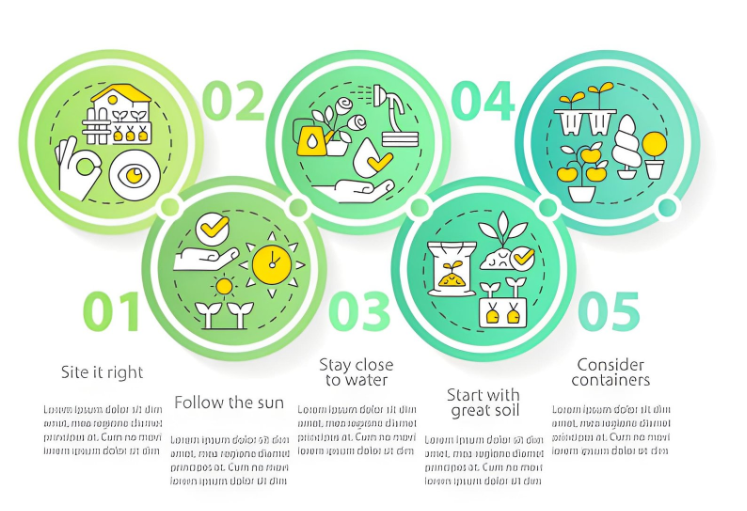
Gardening is a rewarding activity that changes with every season. Whether you have a small balcony garden, a backyard vegetable patch, or a large landscape, understanding what to do throughout the year helps your plants stay healthy and productive. Seasonal gardening allows you to work with nature, prepare for weather changes, and enjoy beautiful blooms, fresh produce, and a thriving outdoor space all year long.
Below Ga6789 are practical seasonal gardening tips for spring, summer, fall, and winter to help you maintain a healthy garden in every season.
Spring Gardening Tips: Prepare for New Growth
Spring is one of the busiest and most exciting times in the garden. As temperatures rise and daylight increases, plants begin to wake up from dormancy. This is the perfect season to clean, plant, and prepare for strong growth.
Clean Up Your Garden Beds
Start by removing dead leaves, fallen branches, weeds, and old plant debris from your garden beds. Clearing away this material helps prevent pests and diseases from spreading. However, avoid disturbing the soil too early if it is still wet, as this can damage soil structure.
Test and Improve Your Soil
Healthy soil is the foundation of successful gardening. In spring, test your soil’s pH and nutrient levels. Add compost, aged manure, or organic matter to improve soil texture and fertility. This helps plants develop strong roots and absorb nutrients more efficiently.
Plant Cool-Season Crops
Early spring is ideal for cool-season vegetables such as lettuce, spinach, peas, carrots, radishes, kale, and broccoli. These crops grow well in mild temperatures and can often be harvested before summer heat arrives.
Prune and Divide Plants
Prune dead or damaged branches from shrubs and trees. Spring is also a good time to divide overcrowded perennials, such as hostas, daylilies, and ornamental grasses. Dividing plants encourages healthier growth and gives you more plants to spread around your garden.
Summer Gardening Tips: Maintain and Protect
Summer brings heat, sunshine, and rapid plant growth. It is also the season when gardens need consistent watering, pest control, and regular maintenance. Proper summer gardening helps plants survive hot weather and continue producing flowers, fruits, and vegetables.
Water Deeply and Consistently
Watering is one of the most important summer gardening tasks. Instead of watering lightly every day, water deeply a few times a week to encourage strong root growth. Early morning is the best time to water because it reduces evaporation and allows leaves to dry before evening.
Mulch to Retain Moisture
Apply a layer of organic mulch around plants to help retain soil moisture, regulate temperature, and reduce weeds. Straw, shredded bark, compost, and grass clippings are excellent mulch options. Keep mulch a few inches away from plant stems to prevent rot.
Watch for Pests and Diseases
Warm weather can attract pests such as aphids, Japanese beetles, spider mites, and caterpillars. Inspect plants regularly and remove pests by hand when possible. Use organic pest control methods, such as neem oil, insecticidal soap, or companion planting, to protect beneficial insects.
Harvest Frequently
Vegetable gardens are often most productive in summer. Harvest crops like tomatoes, cucumbers, beans, zucchini, peppers, and herbs regularly. Frequent harvesting encourages plants to keep producing and prevents fruits from becoming overripe.
Fall Gardening Tips: Prepare for Cooler Weather
Fall is a valuable season for gardeners. The cooler temperatures and increased rainfall make it a great time for planting, soil improvement, and preparing your garden for winter. Fall gardening tasks can also give you a head start on next year’s growing season.
Plant Fall Crops
Many cool-season vegetables grow well in fall, including spinach, lettuce, kale, cabbage, beets, turnips, and carrots. Plant them early enough so they have time to mature before heavy frost. In mild climates, some crops can continue growing through winter.
Add Compost to Garden Beds
After summer crops are finished, remove old plants and add compost to your garden beds. Compost replenishes nutrients and improves soil structure. You can also plant cover crops, such as clover or winter rye, to protect and enrich the soil during colder months.
Plant Bulbs for Spring Flowers
Fall is the best time to plant spring-flowering bulbs such as tulips, daffodils, crocuses, and hyacinths. Plant bulbs before the ground freezes, placing them at the recommended depth for each variety. This simple fall task will reward you with colorful blooms in spring.
Rake Leaves and Use Them Wisely
Fallen leaves can be valuable in the garden. Instead of throwing them away, shred them and use them as mulch or add them to your compost pile. Leaf mold is an excellent soil conditioner and helps improve moisture retention.
Winter Gardening Tips: Protect and Plan
Winter may seem like a quiet time in the garden, but there are still important tasks to complete. This season is perfect for protecting plants, maintaining tools, and planning for the year ahead.
Protect Sensitive Plants
Cold temperatures, frost, snow, and wind can damage tender plants. Use frost cloth, burlap, or mulch to protect vulnerable perennials, shrubs, and young trees. Move potted plants to sheltered areas or indoors if they are not frost-tolerant.
Avoid Walking on Frozen Soil
Try not to walk on frozen or wet garden beds. This can compact the soil and harm plant roots. Use stepping stones or garden paths to reduce soil damage during winter maintenance.
Maintain Gardening Tools
Winter is an ideal time to clean, sharpen, and repair gardening tools. Remove soil and rust, sharpen pruners and shovels, and oil wooden handles. Well-maintained tools make spring gardening easier and more efficient.
Plan Next Year’s Garden
Use winter to review what worked well in your garden and what could be improved. Sketch a garden layout, order seeds, research new plant varieties, and create a planting calendar. Planning ahead helps you make the most of the upcoming growing season.
Year-Round Gardening Tips for Success
No matter the season, some gardening practices are always helpful. Pay attention to your local climate, choose plants suited to your growing zone, and observe your garden regularly. Healthy gardens require patience, consistency, and a willingness to learn from each season.
Companion planting, crop rotation, organic fertilizers, and proper watering all contribute to long-term garden success. Keeping a garden journal can also help you track planting dates, harvest times, pest problems, and weather patterns.
Conclusion
Seasonal gardening is about working with the natural rhythm of the year. Spring is for planting and renewal, summer is for maintenance and harvest, fall is for preparation and soil care, and winter is for protection and planning. By following Tải app Ga6789 these seasonal gardening tips throughout the year, you can create a healthier, more productive, and more beautiful garden in every season.